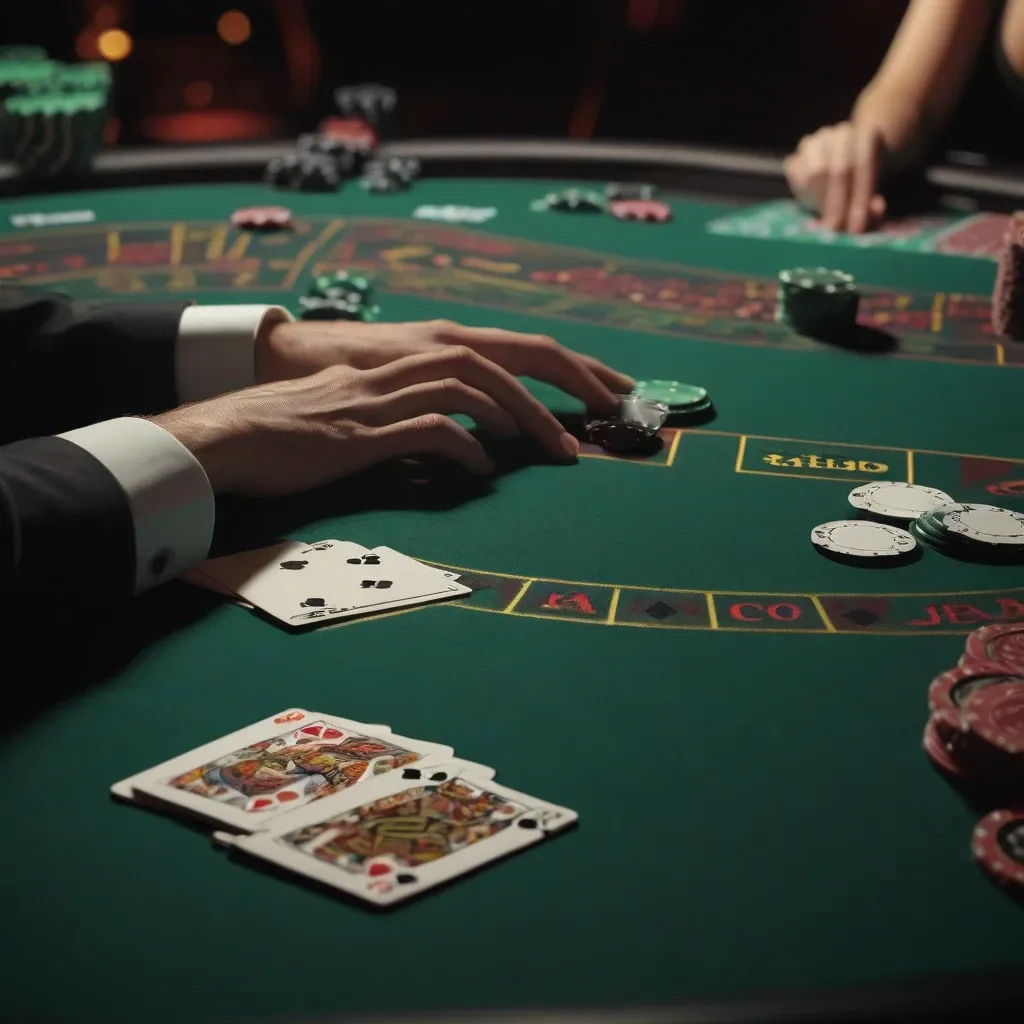
After Years at the Tables, Here’s the Real Secret to Live Dealer Games
Look, let’s cut through the marketing fluff. After years of sitting at countless live dealer tables, from grainy early streams to today’s glitzy studios, I can tell you that the best ones aren’t just about the video quality. They’re about a seamless, almost invisible partnership between cutting-edge tech and a dealer’s craft. You don’t notice it when it’s perfect, but you feel it. The realism isn’t a single feature—it’s a fragile ecosystem. The early days were clunky, awkward, and felt like watching a webcam from 2005. Now? We’ve got multi-angle 4K feeds, but that’s still just the appetizer. The real magic happens when the chips clatter authentically, the cards slide without a glitch, and the dealer’s smile feels genuine. That’s the synapse between hardware and human finesse. And most players miss it entirely. This guide is about flipping that switch—understanding what actually separates a soulless gimmick from an authentic, heart-pumping experience.
The Invisible Foundation: Why Low Latency Is Your Best Friend (and Worst Enemy)
Latency isn’t just a technical number—it’s the invisible wall between you and a genuine casino floor. The moment a card is dealt on a live stream but your screen takes longer than a heartbeat to show it, the illusion shatters. You’re no longer at a felt table; you’re watching a buffering video. That split-second delay can feel like an eternity when you’re waiting for a blackjack hit or a roulette spin result. One poker player we know lost a massive pot because his hole cards appeared two seconds late, forcing him to act blind—the dealer had already moved on. That’s what happens when operators cheap out on infrastructure.
Top-tier studios like Evolution Gaming and Playtech pour millions into dedicated streaming protocols that squeeze latency under 10 milliseconds using 5G-grade encoders and fiber backhauls. They run private server clusters, not shared bandwidth from the local ISP. Compare that to low-quality operators who slap a webcam on a felt table and call it “live.” Their signals bounce through congested public networks, producing delays of three to five seconds—or worse. Industry reports hammer home that this is the make-or-break metric. If the dealer’s shuffle doesn’t sync with your device’s display within one second, you’re out. No amount of shiny graphics can fix broken timing.
The Hidden Danger of High Latency
High latency doesn’t just annoy players—it destroys trust. When your bet confirmation takes two full seconds to register, your brain starts asking uncomfortable questions: Is the system manipulating the outcome? That suspicion is death for retention. The best platforms avoid this by using dedicated optical recognition cameras that read every chip and card instantly, feeding player data to the dealer’s interface in real time. There’s no lag for the house to “adjust” anything. But with high latency, every pause feels like a cheat. Fair play online casino requires live dealer issues to be invisible—not a constant reminder that you’re watching a delayed stream.
How the Pros Measure and Optimize Latency
Want to test latency yourself? Open a live roulette table and watch the wheel spin. If the ball’s motion feels out of sync with the on-screen timer—like the ball bounces before the timer ticks—that operator is losing control. A quick fix: close other browser tabs and check your ping under 50 ms. But the best test is visual. Choose a live casino that runs a dedicated 5G streaming connection; those are the ones where the dealer’s smile arrives before you even think to blink. That’s how you know the performance is real.
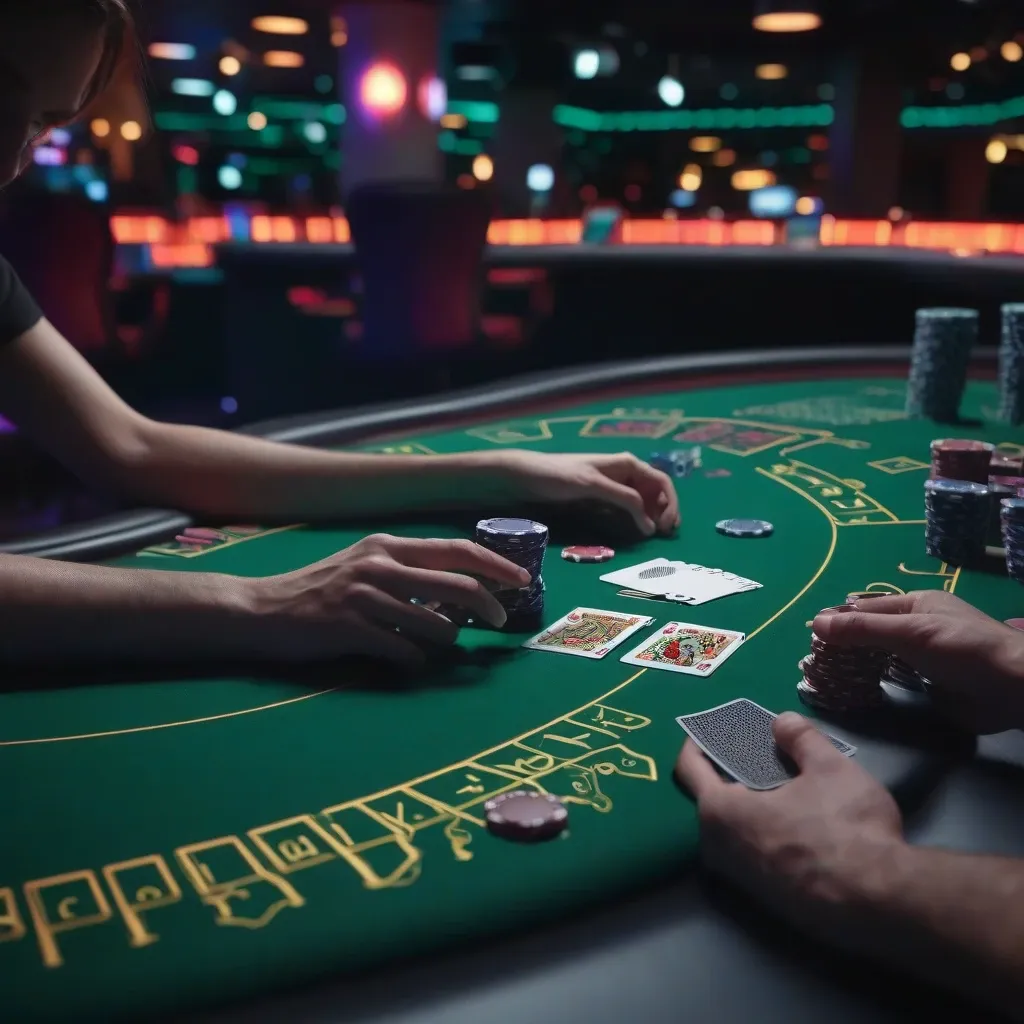
The Human Element: Why a Great Dealer Is Your Best Technology
You can have the crispest 4K stream, the most responsive touchscreen, and a server farm that could launch a rocket. It all falls flat without the right person sitting at the table. Technology is the stage, but the dealer is the soul of the show. A professional croupier brings live dealer skills that no algorithm can replicate. They are the reason you forget you are playing from your living room. The truly great ones don’t just pitch cards; they architect an atmosphere. They take traditional dealing school rituals—the precise hand movements, the unwavering focus—and adapt them for a digital audience. A dealer who can crack a joke while executing a perfect riffle shuffle is worth their weight in gold. They make the player forget they’re staring at a screen. This human interaction online casino experience hinges on the dealer’s ability to read a room they can’t see. It is a raw, reactive skill. Without this personality, the game feels hollow. The difference between a dealer who just goes through the motions and one who creates a connection is night and day. A monotone voice dealing cards feels sterile. A charismatic personality turns a bet into an event. They bring the tactile, real-world elements we crave, like the dramatic pause before a card is turned. This is why the most successful live casinos invest heavily in finding dealers who can perform, not just deal. They are the bridge between the pixel and the pulse.
The Art of the ‘Silent Table’: How Voice and Rhythm Shape Reality
Sound is the invisible architect of the live casino atmosphere. Think about the difference. Compare a dealer who monotonously announces results to one who says, ‘Ladies and gentlemen, we have a natural blackjack. Well done!’ The latter creates drama. It shapes the game pacing. The best dealers come from physical casinos because they inherently understand crowd dynamics. They know that a silent table is a dead table. Their voice fills the void, creating a rhythm that pulls you in and holds you there. Dealer communication isn’t just about talking; it’s about holding a room together with tone and timing.
Camera Angles as a Character: The Visual Storytelling of a Deal
The camera is your silent co-host, and it needs a director. Each camera angle serves a purpose. The wide shot establishes the table’s reality, grounding you in the space. The close-up on the shoe proves the cards are real. The overhead on the dealer’s hands shows there’s no sleight of hand. This multi-angle casino setup creates a visual narrative of trust. High-end systems use OCR technology casino systems to read the cards in real-time. This optical character recognition instantly verifies the result and overlays it on screen for absolute transparency. It marries the human act of dealing with the cold, unblinking eye of digital proof. You are watching a story unfold from three perspectives at once.